
Last fact-verified Thu, 30 Apr 2026 against Victorian Fisheries Authority. If any bag limit, size limit, or licence requirement on this page differs from current VFA advice, VFA's current guidance takes precedence.
Quick facts
| Common name | Flathead |
| Scientific name | Platycephalus bassensis (sand flathead) |
| Also known as | sand flathead, flatty |
| Bag limit | 20 per person per day, combined total for all flathead species except dusky flathead |
| Minimum size limit | 27cm total length |
| Season | Year-round (most consistent species on the Peninsula) |
| Primary water | Western Port (also Port Phillip Bay) |
| Licence required | Yes. Victorian Recreational Fishing Licence required. |
Source for bag limit, size limit, and closed season: VFA species page. Last fact-verified Thu, 30 Apr 2026.
What sand flathead actually is
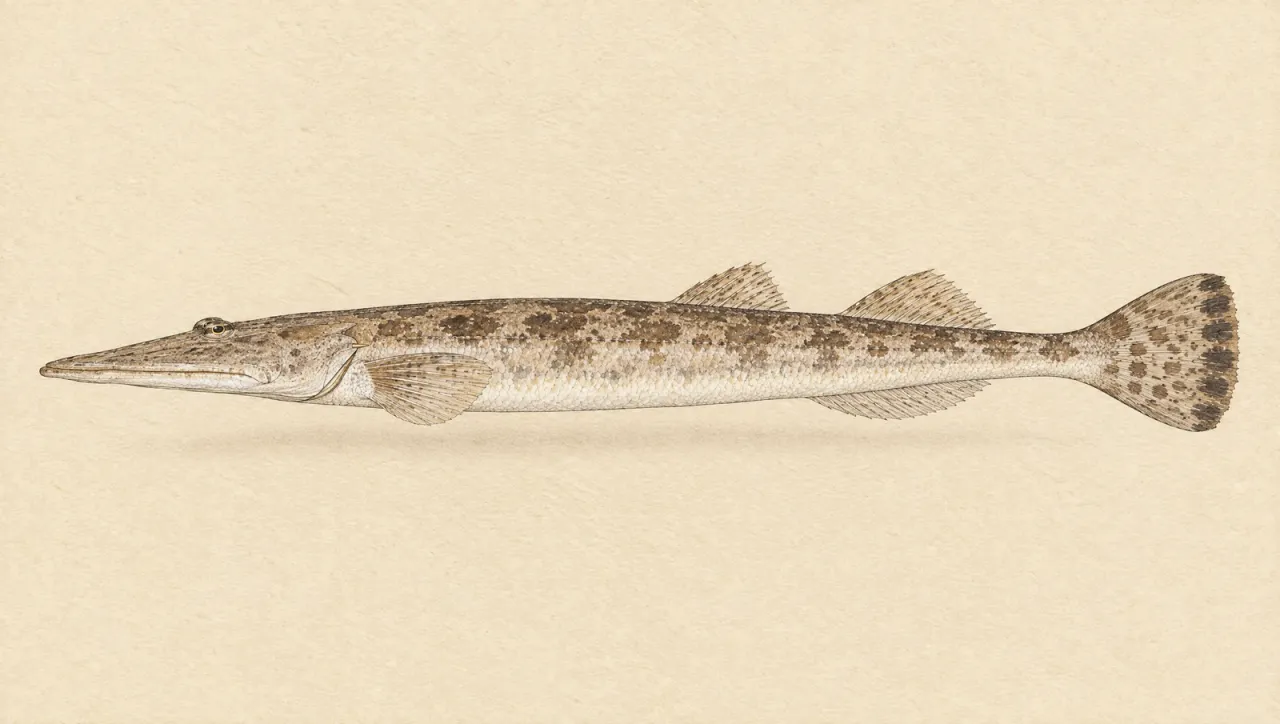
Platycephalus bassensis is the dominant flathead on Peninsula grounds. Up to approximately 50cm on Peninsula bottom, mottled brown-grey colouring, dorsally flattened, with a wide head and visible canine teeth. The “flatty” sits on or just under the substrate and ambushes prey passing overhead; an angler dragging a soft plastic across sandy bottom is presenting exactly the silhouette flathead are evolved to attack.
The fish is bay-wide and year-round. Western Port is the better ground because the tidal range concentrates baitfish over sandy substrate, but the Port Phillip Bay flathead population is reliable enough that you do not need to drive to Western Port to find fish. The eating quality is exceptional. Firm white flesh, a clean fillet shape, no pin bones once skinned. A lightly floured pan-fried fillet of fresh sand flathead is the baseline against which most other Peninsula table fish are measured.
Season and tide
Year-round species. Western Port flathead respond to the running tide more strongly than Port Phillip flathead; on a still day in Port Phillip you can still catch flathead by covering ground, but on Western Port without tide running you are wasting your time. Use the Stony Point reference station for Western Port. Port Phillip flathead are most active in the warmer months but produce in winter from a boat over sand.
Technique and gear
The canonical Peninsula flathead method is soft plastic on a jighead. A 7 foot 2 to 4kg light spinning rod, 2500 size reel, 8 to 10lb braid, 8 to 12lb fluorocarbon leader, a 1/8 to 3/8oz jighead with a 3 to 4 inch paddletail or curl-tail soft plastic. Cast and retrieve with a slow lift-and-drop, letting the plastic touch bottom, then hop. Flathead strike on the drop. Set the hook on the next lift.
Bait fishing produces the same fish with less casting: pipi, fresh squid strip, whitebait, or fresh pilchard on a running sinker rig with a size 2/0 to 4/0 hook. Cover ground; flathead ambush rather than chase.
Bag and size limits, licence
- Minimum size limit. 27cm total length.
- Bag limit. 20 per person per day, combined for all flathead species except dusky flathead.
- Season. Open year-round.
- Licence. Victorian Recreational Fishing Licence required for anglers aged 18 and over.
Source: Victorian Fisheries Authority. Last fact-verified Thu, 30 Apr 2026.
Opportunity ranking by location
- Western Port (Hastings to Stony Point), boat drift over sand, year-round. The most consistent ground on the Peninsula. From Hastings Boat Ramp or Stony Point, drift over 3 to 8m sandy substrate with soft plastic.
- Port Phillip Bay mid-bay sand, boat drift, October to April. Productive grounds 3 to 8km offshore from any of the southern bay ramps. Drift over 4 to 7m sand.
- Mornington Pier, running sinker with squid, year-round. Cast toward sandy substrate either side of the pier. Drift the bait slowly across the bottom.
- Stony Point Pier, running sinker, year-round. Channel substrate produces above-average size fish for a land-based session. Heavier sinker required (60g-plus).
Where to catch flathead on the Peninsula
- Mornington Pier · Port Phillip Bay · October to April for snapper; year-round for squid
- Stony Point Pier · Western Port · October to December (snapper); October to March (whiting); March to June (squid)
- Cowes Jetty · Western Port · October to March (snapper); November to March (whiting)
- Hastings Jetty · Western Port · October to March (snapper); November to March (whiting); year-round (flathead, bream)
- Safety Beach Foreshore · Port Phillip Bay · November to March (whiting and garfish); year-round (squid)
- Tooradin Inlet · Western Port · October to April (warmer months produce more reliably); year-round (flathead, bream)
Charter operators that target flathead
- I'm Hooked Fishing Charters · Licence covered
- Reel Time Fishing Charters
- Western Port Fishing Charters
Operators are listed because they demonstrably target flathead, not as a default reference. Browse all Peninsula charters to compare across species and seasons.
Where to cook your catch
Frequently asked questions
What is the bag and size limit for flathead in Victoria?
20 per person per day, combined for all flathead species except dusky flathead. Minimum size 27cm total length. Open year-round. Note that dusky flathead are rare on the Peninsula and carry separate, more restrictive regulations (30cm minimum, 55cm maximum, bag of 5). The species you catch here is sand flathead.
Where can I catch flathead on the Peninsula?
Sand flathead are bay-wide, year-round. Western Port is the better and more consistent ground (the Stony Point and Hastings channels in particular). Port Phillip Bay produces reliably from a boat over sandy substrate at 3 to 8m. From shore, Mornington Pier and Stony Point Pier are the most reliable.
What is the best technique for flathead?
Soft plastic on jighead (1/8 to 3/8oz, 3 to 4 inch paddletail) with a slow lift-and-drop retrieve over sandy substrate is the canonical method. Bait works too: pipi, fresh squid strip, or whitebait on a running sinker rig with a size 2/0 to 4/0 hook. Cover ground; flathead ambush rather than chase, so the more substrate you work, the more fish you find.
Verified stamp
Key facts last verified Thu, 30 Apr 2026 against the Victorian Fisheries Authority. If any bag limit, size limit, or licence requirement on this page differs from VFA's current guidance, VFA's current guidance takes precedence. Regulations change. Confirm before fishing.