The 11 walks ranked by effort and payoff
Tier 1 — High payoff, low-to-moderate effort
Distance: ~1.5 km return. Elevation: Minimal. Start: Cape Schanck lighthouse car park.
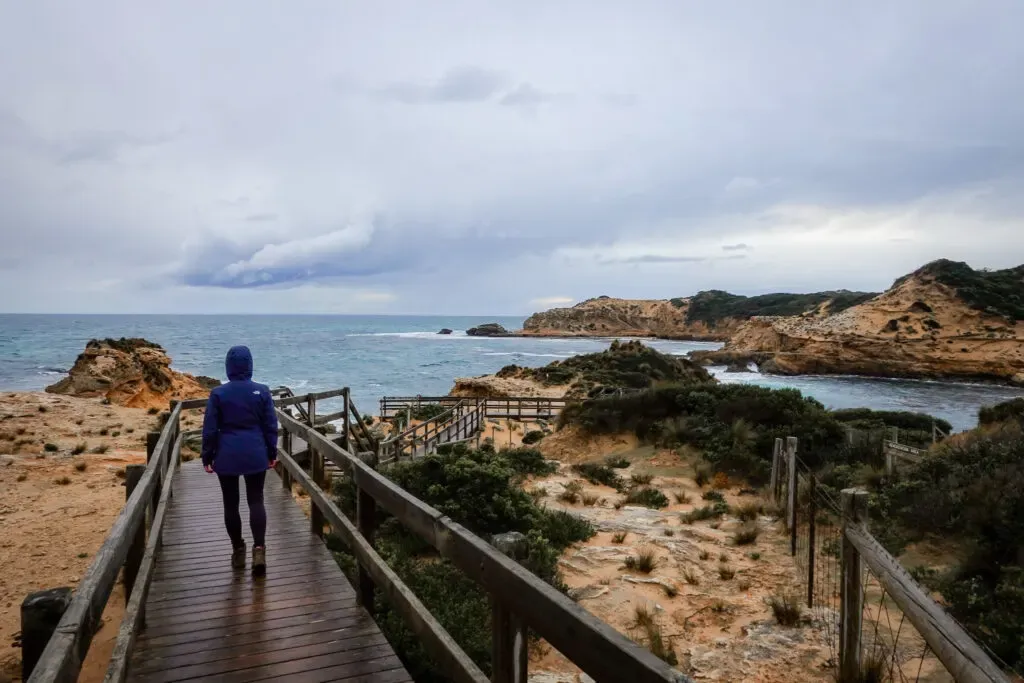
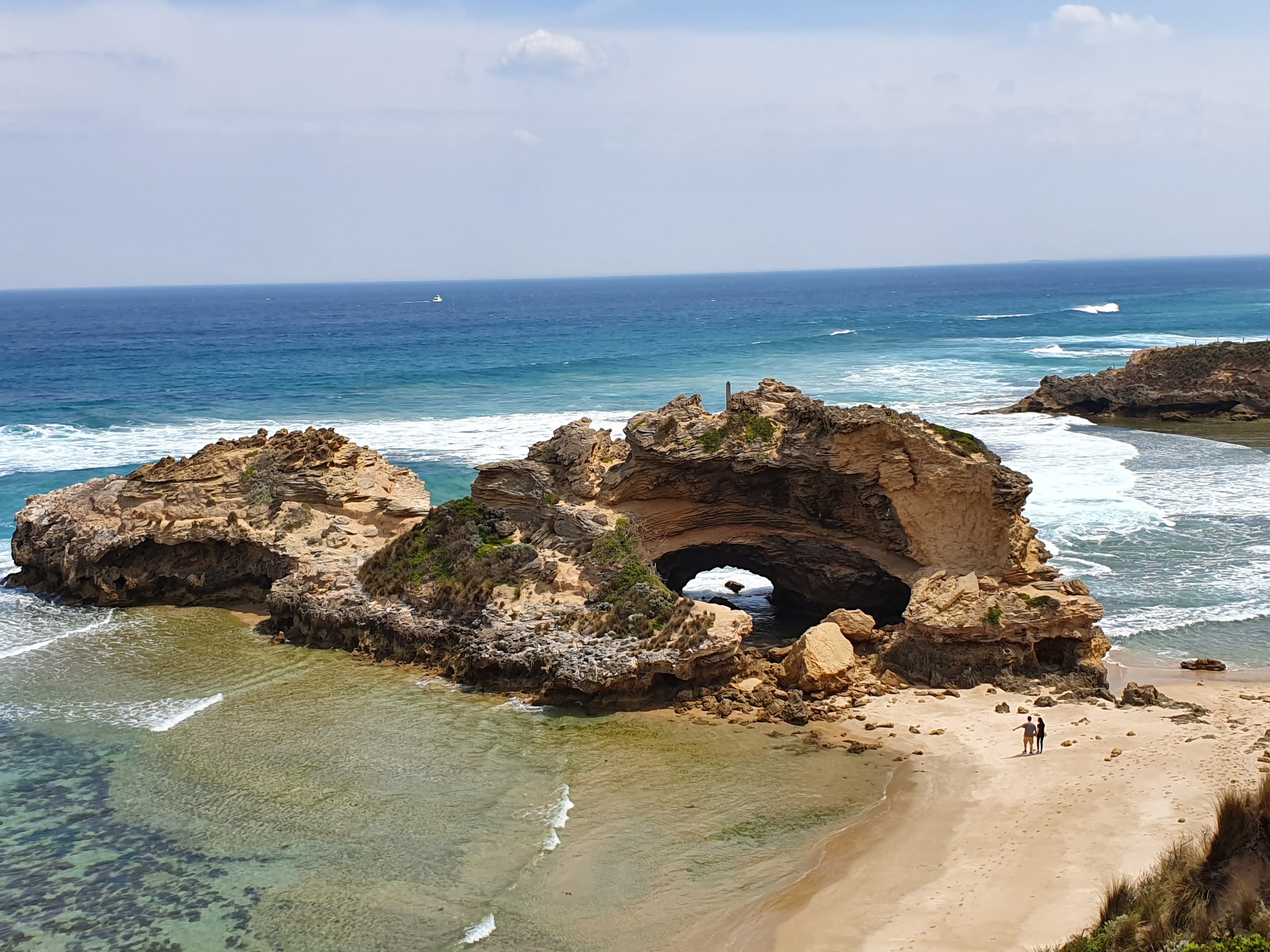
The boardwalk descends from the lighthouse precinct to a basalt wave platform with blowholes, sea stacks, and serious Southern Ocean surge. Twenty minutes each way and entirely accessible. The best short coastal experience on the Peninsula by a margin.
Best for: Families, first-timers, those with limited mobility.
Distance: 6 km return. Elevation: ~100m. Start: Bushrangers Bay car park off Boneo Road.
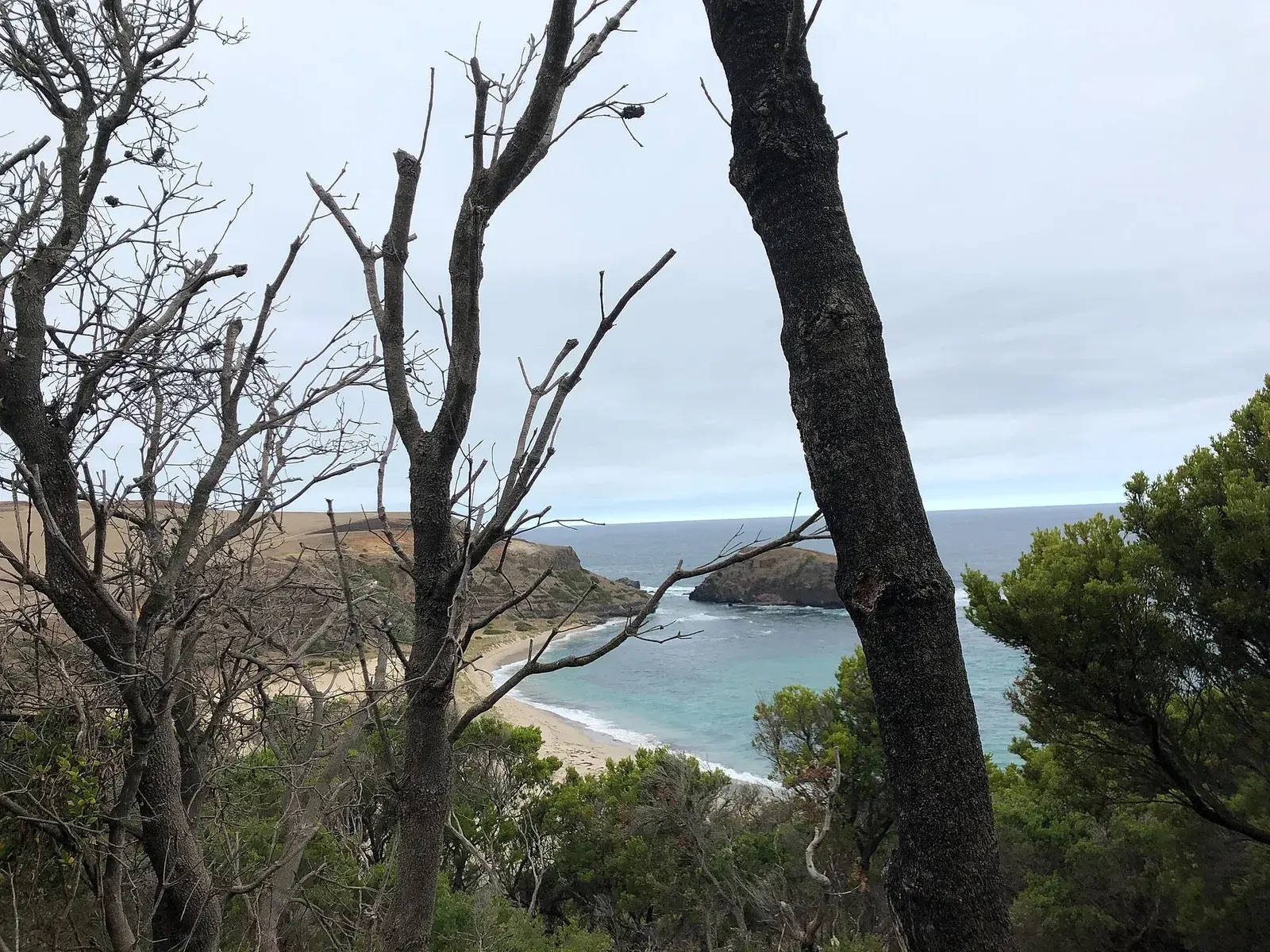
Through coastal scrub and cliff-edge heath to an isolated cove. The bay itself is small, protected, and sees far fewer visitors than any equivalent. Moderate fitness required; no navigation difficulty.
Best for: Walkers wanting genuine solitude; strong views on the descent.
Distance: 8 km return (standalone). Elevation: ~150m. Start: Greens Bush picnic area.
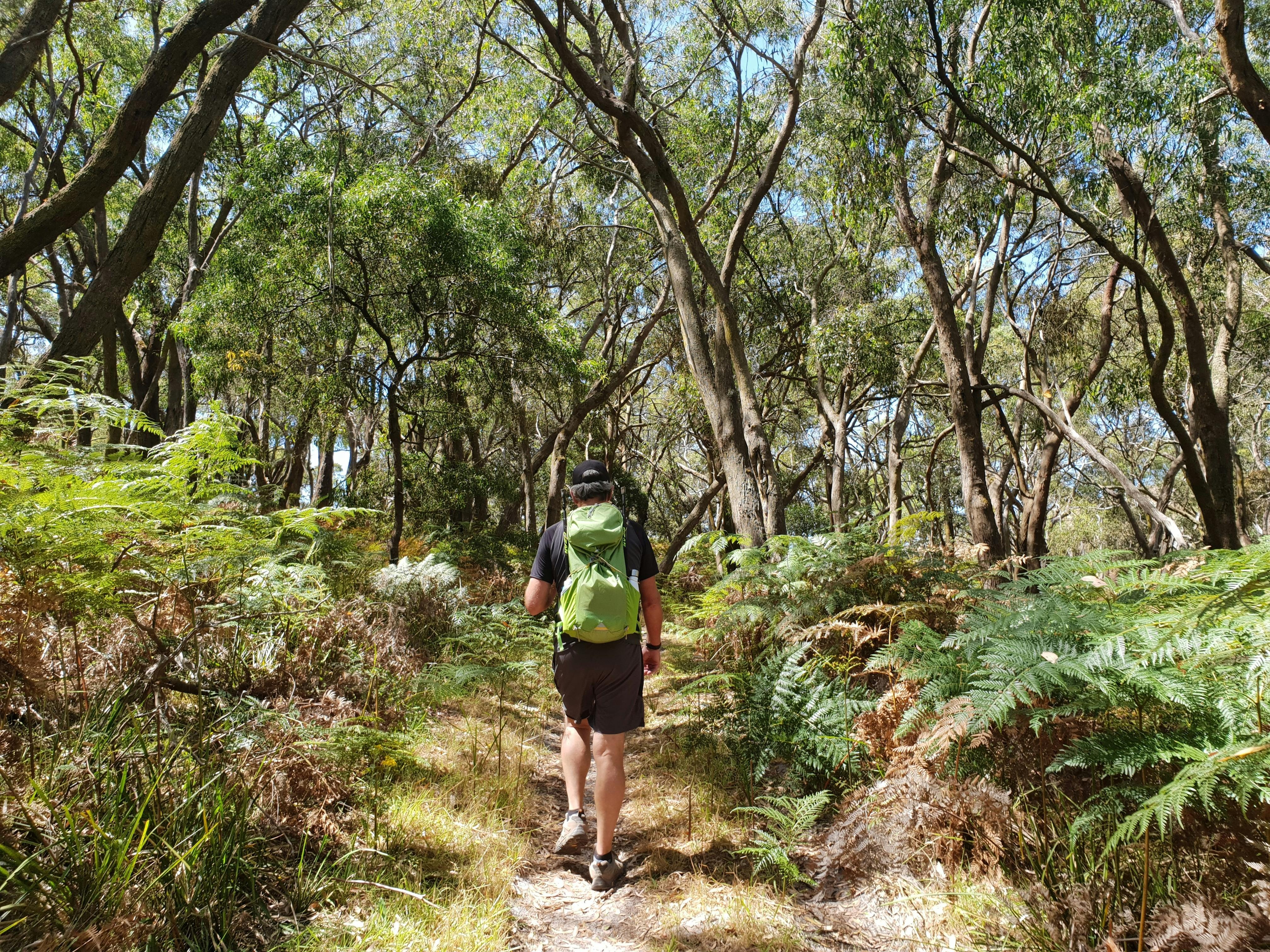
The best standalone section of the Two Bays track. Old-growth manna gum, wallabies in numbers, and quiet — genuinely quiet — for a place this close to Melbourne. Do this before the full track commitment.
Best for: Those wanting a longer walk with bush character.
Distance: 10 km return (from visitor centre). Elevation: Low. Start: Point Nepean Visitor Centre, Portsea.
The walk to Fort Nepean at the peninsula's tip, through decommissioned military land with intact fortifications, historic plaques, and unobstructed views across the Bass Strait entry to Port Phillip.
Best for: History-focused walkers; those wanting the full end-of-land experience.
Tier 2 — Moderate effort, strong payoff
Distance: 3.5 km circuit. Elevation: ~80m. Start: Cape Schanck lighthouse car park.
Extends the boardwalk experience into a loop above the cliffs. Better for those wanting a proper walk rather than a stroll to the platform. The return via the lighthouse precinct adds context.
Best for: Those combining the boardwalk with a longer circuit.
Distance: 26 km point-to-point (or as sections). Elevation: ~400m cumulative. Start: Dromana.
The Peninsula's flagship long walk — from Port Phillip Bay to Bass Strait, crossing the hinterland through Greens Bush. Most visitors tackle the 8–10 km sections near either end.
Best for: Experienced day-walkers; multi-section visits.
Distance: 2.5 km circuit. Elevation: ~150m from car park. Start: Arthurs Seat State Park summit car park.
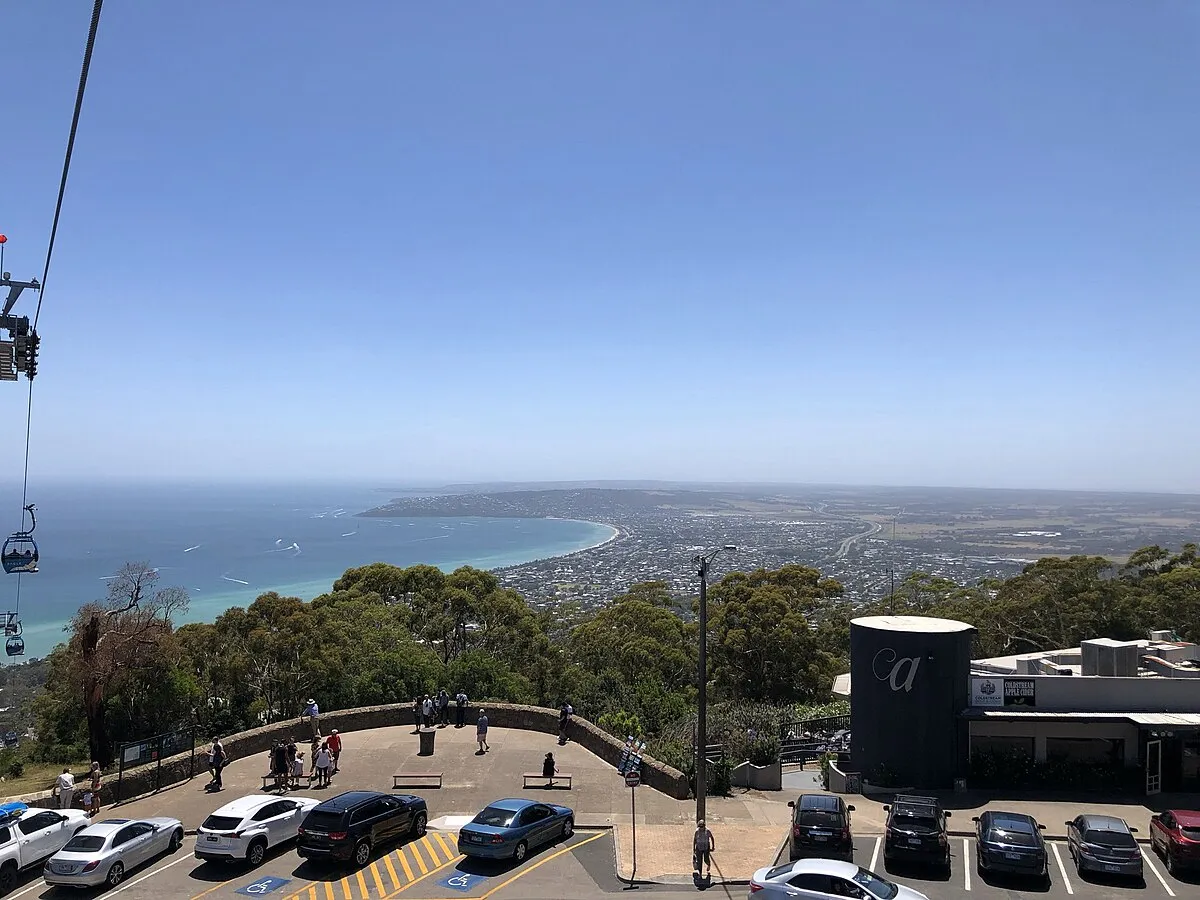
If you drive to the summit (or take the gondola), this circuit delivers the full 360-degree view sequence — bay, hinterland, ocean. Short but steep in places.
Best for: Those combining with Arthurs Seat Eagle; families.
Distance: 4 km return. Elevation: ~50m. Start: Sullivan Bay, Sorrento.
A cliff-edge track connecting Sorrento's bay to its back beach through tea-tree heath. One of the few walks that meaningfully crosses the Peninsula's two-face geography.
Best for: Sorrento-based visitors; those wanting bay-to-ocean connection.
Tier 3 — Good walks, specific contexts
Distance: 4 km one-way (harbour to Mills Beach). Elevation: Minimal. Start: Mornington Harbour.
A pleasant bay-side foreshore path. Better as a morning or evening walk framing a visit to the town than as a destination walk.
Best for: Town visitors; easy morning walks; families with prams.
Distance: 5 km circuit. Elevation: ~80m. Start: Point Nepean Visitor Centre.
A quieter alternative to the main fort walk, through ti-tree and banksia coastal heath. Better for wildlife than the military-heritage route.
Best for: Wildlife-focused walkers; those wanting a quieter Point Nepean experience.
Distance: 13 km one-way. Elevation: ~200m. Start: Cape Schanck lighthouse car park.
The longer coastal walk north from Cape Schanck toward Rye. Good cliff scenery, less visited than the boardwalk sections, requires transport coordination at the far end.
Best for: Experienced walkers; those wanting a full coastal half-day.
What to bring
No walk on this list requires specialist equipment. For any walk over 5 km: water (1 L minimum), sunscreen, a hat, and footwear with grip. Ocean-side tracks can be slippery when wet.
Further reading
Last fact-verified 23 April 2026
FAQ