The short version
- A candid orientation guide for first-time Peninsula visitors - designed to replace the ten Google tabs with one honest starting point.
- Covers: how to choose which part of the Peninsula to visit (the most consequential decision for first-timers); what to book first; what to leave until a second trip.
- The editorial argument: most first-time Peninsula trips fail because visitors don't understand the Peninsula's geography before choosing where to stay. This piece addresses the geography first.
- Suits: genuine first-timers; anyone who has heard about the Peninsula from friends and doesn't know where to start; visitors from interstate or overseas.
- Planning note: the article recommends visiting one part of the Peninsula well rather than trying to cover the whole thing. For most first-timers, Red Hill plus Sorrento is the correct shape.
Here is what nobody tells you about the Mornington Peninsula before your first visit: it is much larger than you think, the best parts of it are not the most famous parts, the drive from Melbourne takes longer than Google says on a Saturday morning, and the single biggest mistake you can make is trying to do too much.
Everything else, the wine, the coast, the food, the hot springs, the villages that look like they were built for a weekend supplement, is genuinely as good as the reputation suggests. The Peninsula earns its place. You just need to arrive with the right map.
This is the guide for someone who has never been. No assumptions about what you already know. No hedge. Just the honest version.
Where the Peninsula actually is
The Mornington Peninsula is a finger of land that juts south from Melbourne into the sea. Port Phillip Bay on one side, Western Port Bay and Bass Strait on the other. The top of the Peninsula, Mornington, Mount Martha, is about an hour from the Melbourne CBD. The bottom, Sorrento, Portsea, Point Nepean, is closer to ninety minutes or two hours depending on traffic.
In between is the hinterland: the high ground around Red Hill, Main Ridge, and Merricks where most of the wineries, producers, and serious restaurants are clustered. This ridge is the spine of the Peninsula and the part that most of the food-and-wine writing is about.
The geography matters because it dictates how you plan. The Peninsula is roughly sixty kilometres long from Mornington to the tip. You cannot see all of it in a day. You can see one section of it well.
The three Peninsulas
The fastest way to understand the region is to accept that there are really three different Peninsulas, and a first visit should pick one.
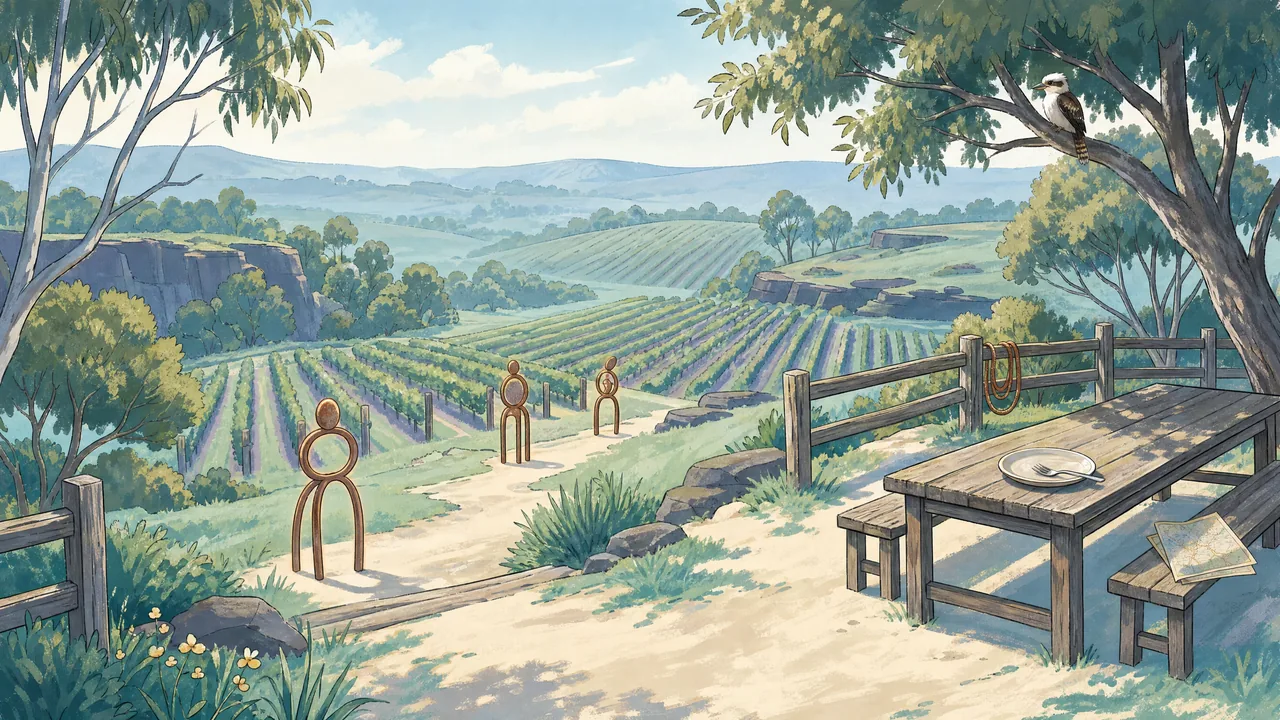
The hinterland Peninsula. Red Hill, Merricks, Main Ridge. This is the wine-and-food version: cellar doors, vineyard restaurants and producer trails. The original Red Hill Community Market is temporarily closed; check the separate Hill & Ridge Community Market’s published dates if a market is part of your plan. If you are coming for a long lunch or a weekend of eating, this is where you spend your time. The landscape is rolling green hills, dirt roads, gum-lined drives, and hand-painted signs pointing to cheese rooms and olive groves.
The coastal Peninsula. Sorrento, Portsea, Point Nepean. This is the beach-and-village version, the heritage main street at Sorrento, the ocean back beaches, the clifftop walks, the ferry to Queenscliff, and Point Nepean National Park at the very tip. If you are coming for landscape and walking and seaside atmosphere, this is the section.
The quiet Peninsula. Flinders, Balnarring, Shoreham, Somers. This is the locals’ version, the villages that most tourists never reach because they are on the far side of the ridge or the southern coast. Less infrastructure, fewer crowds, better light, cheaper pubs. If you have been to the Peninsula twice already and want the version that rewards curiosity, this is the next trip.
For a first visit: start with the hinterland or the coast. Not both.
What to do: the short list
If you only have time for five things, these are the five.
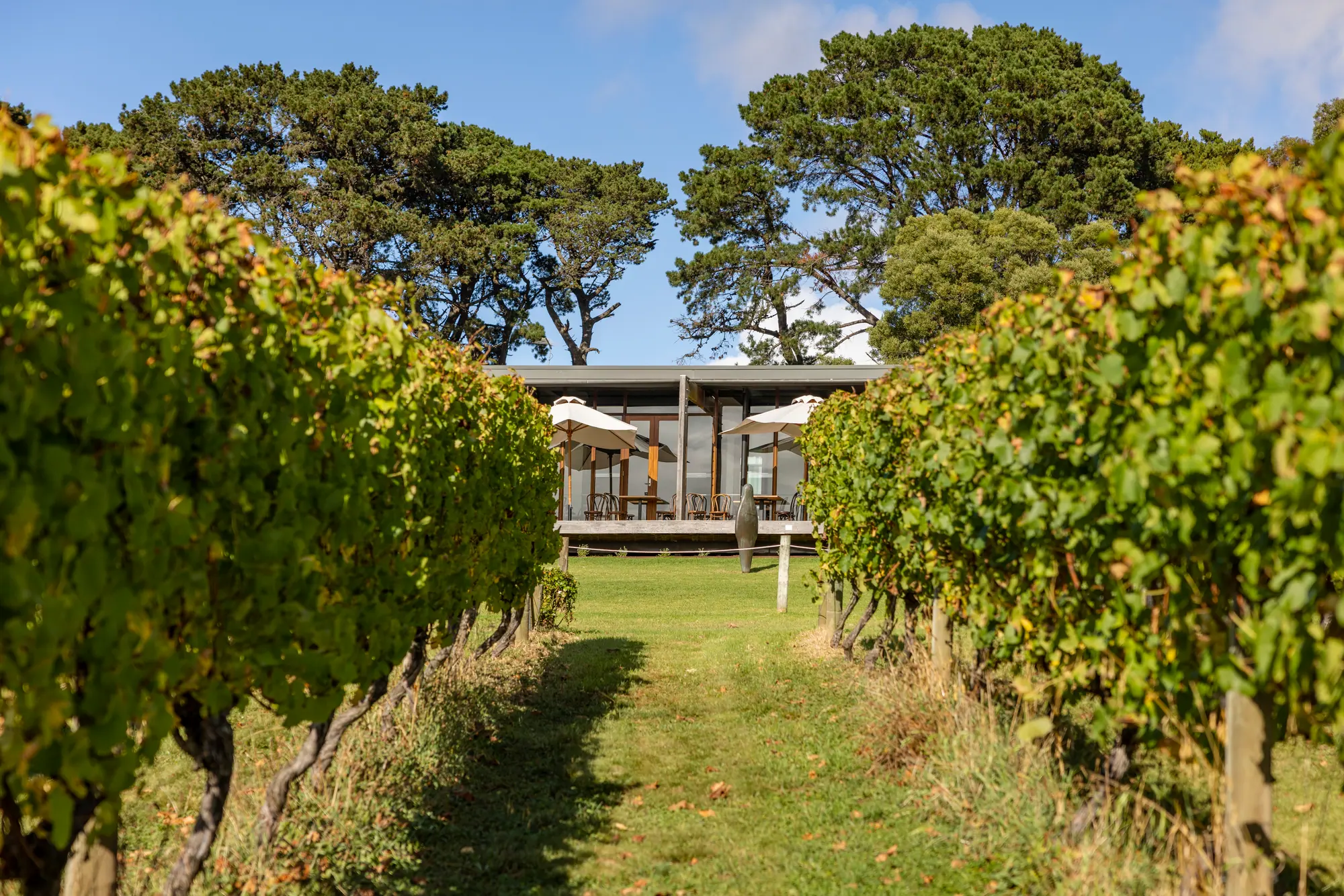
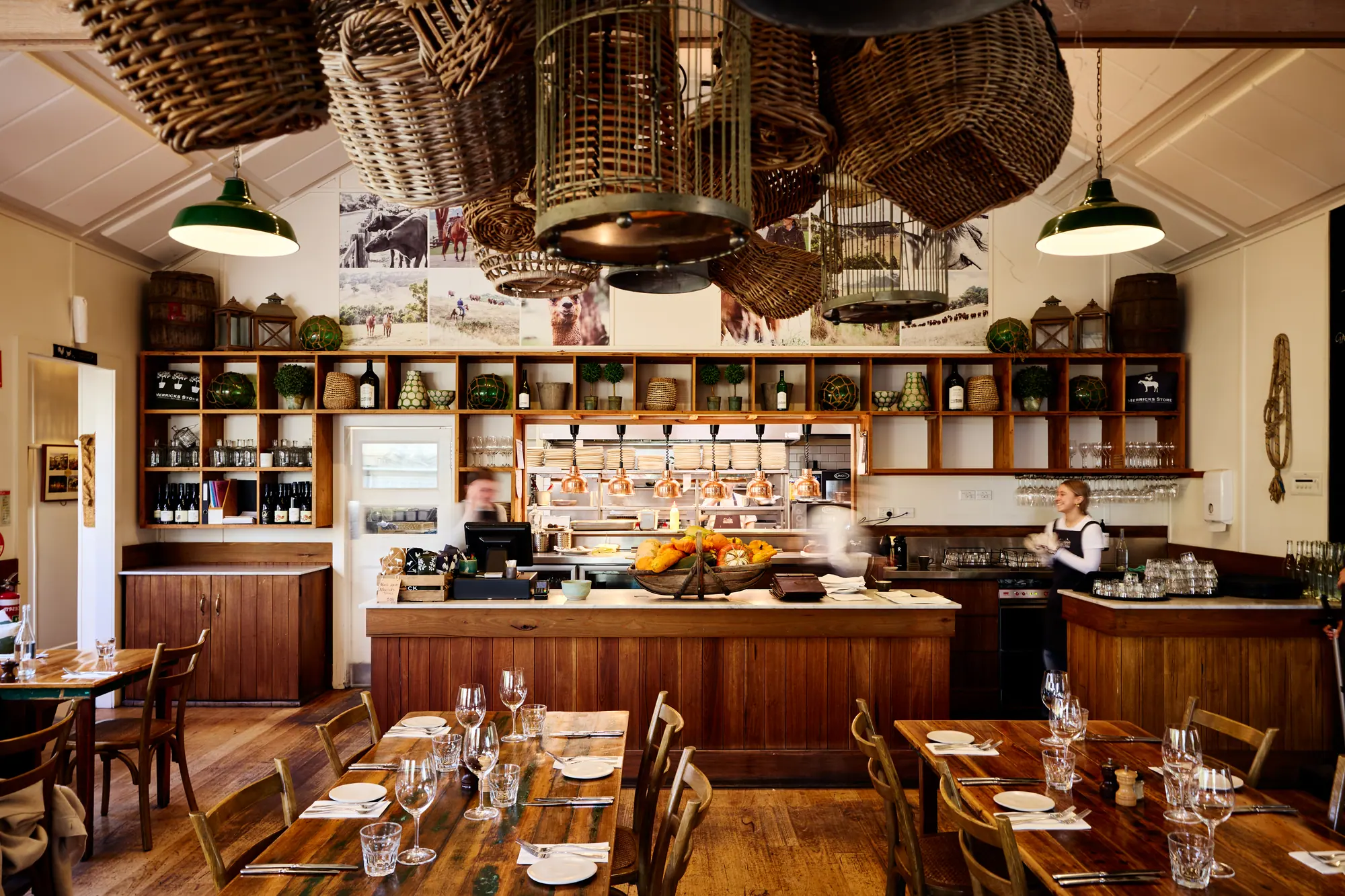
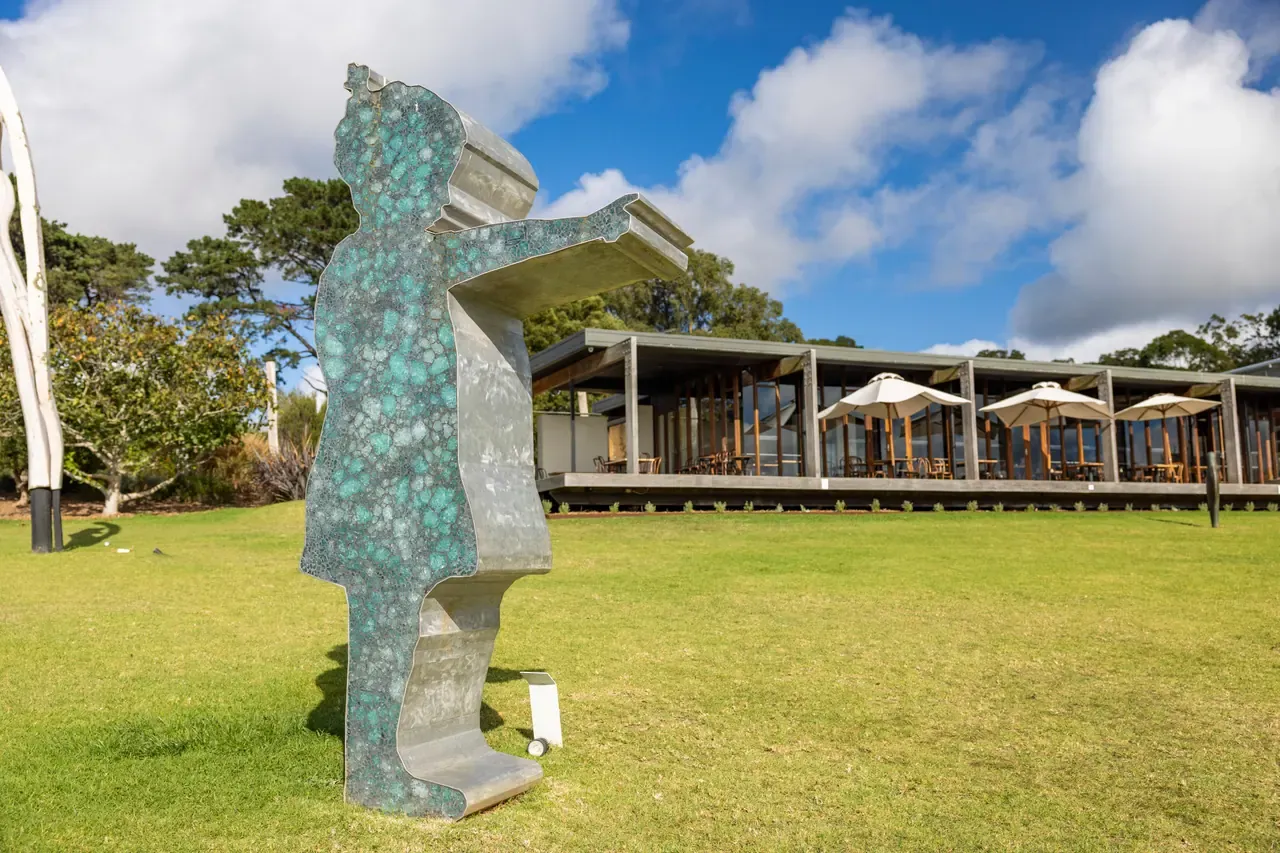
1. One serious lunch. The Peninsula’s restaurants are the main event, and the right lunch will be the thing you remember longest. Ten Minutes by Tractor runs a fixed menu of precise, seasonal cooking in a vineyard dining room and is one of regional Victoria’s most respected kitchens. Montalto is the warmer, more accessible alternative with a sculpture trail and a kitchen that handles a table of four as easily as a couple. Merricks General Wine Store is the casual version: wood-fired pizza, local wines by the glass, a paddock view. Any of these three will do the job.
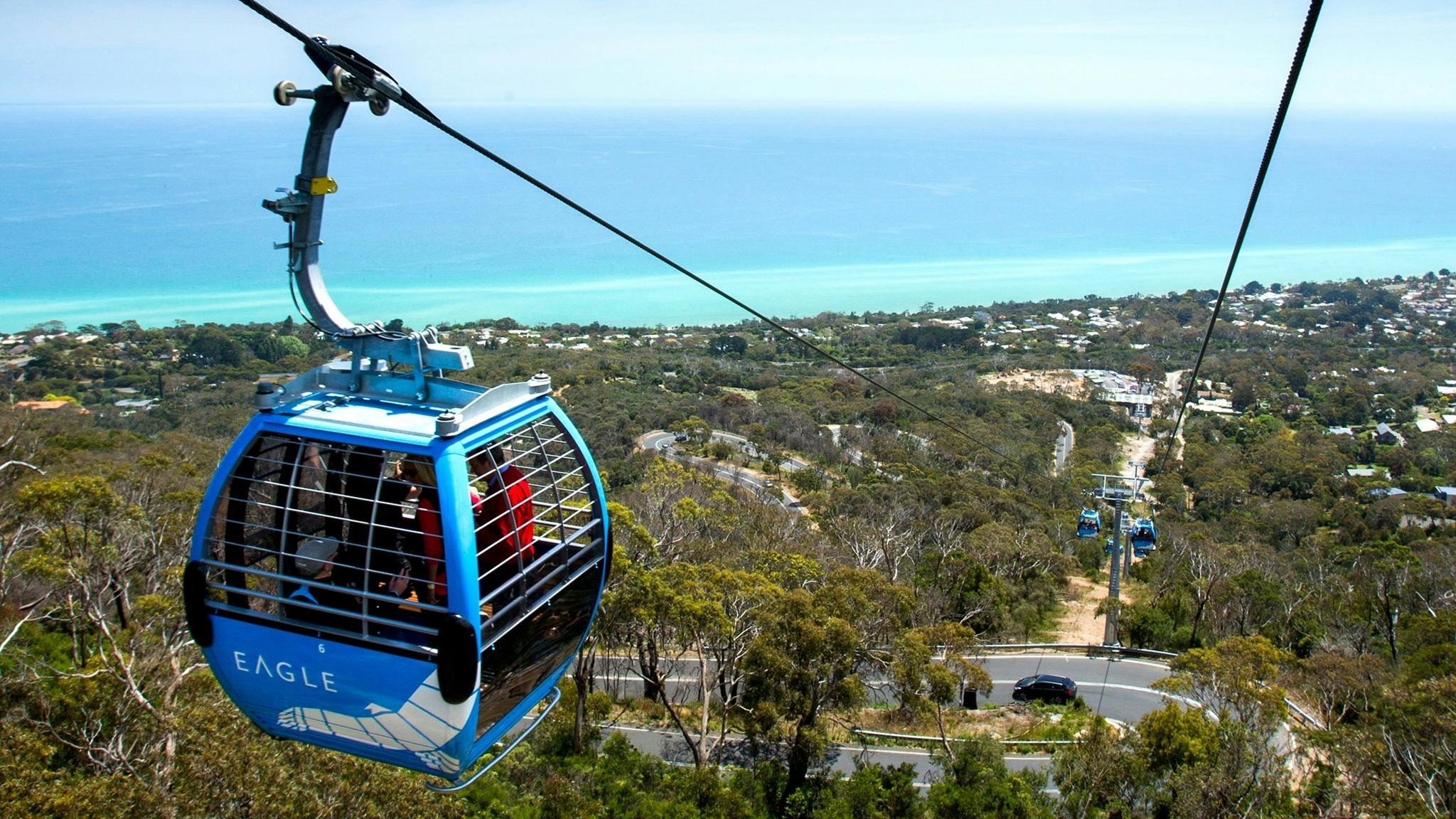
2. The lookout. Arthurs Seat Eagle, the gondola to the summit of Arthurs Seat, gives you the aerial view of the entire region. On a clear day you can see Melbourne on the horizon, the vineyards on the ridge, and both bays. Twenty minutes up, twenty minutes down, and it orients the whole trip.
3. The beach. Sorrento Back Beach is the ocean beach that delivers the drama, big surf, sandstone cliffs, a long walk along the sand when the tide is out. It is not a swimming beach for beginners (the rip is real), but it is the coastline that makes you understand why people drive ninety minutes for this. For a gentler swim, Portsea Front Beach on the bay side is sheltered and clear.
4. A cellar door. You are on one of Australia’s best cool-climate wine regions. Visit at least one cellar door. Polperro is the most intimate, a small room, serious wine, and a winemaker who is usually around. Montalto combines the tasting with the sculpture trail and the restaurant. Red Hill Brewery is the beer alternative and works well for families.
5. Point Nepean. The national park at the tip of the Peninsula is a place unlike anything else in the region. Military fortifications, ocean views on both sides, a walking trail to the very end of the land. Allow ninety minutes for the walk and bring water.
How to get the most from your first visit
This is the section that most guides will not write, and it is the one that matters most.
Pick two things, not four. A hot springs session, a long lunch, a cellar door circuit and a beach walk in one day is the standard first-visit overreach. Each of those things takes two to three hours when you include driving. Pick two. Three if you start early and one of them is short.
Stay on one side of the ridge per session. Sorrento and Red Hill are forty minutes apart on a narrow road. Going south and coming back north in the same afternoon burns an hour and a half in the car.
Two cellar doors is the right number for a day. The Peninsula’s cellar doors are good, but the rooms are smaller and the tastings more focused than at the Barossa; the third one starts to blur into the second. One is fine.
Parking at the back beaches in summer needs an early start. The car parks at Sorrento Back Beach, Gunnamatta, and Portsea fill by 10am in January and February. Autumn and winter are easier, or arrive absurdly early.
Where to stay
Three tiers, three different trips.
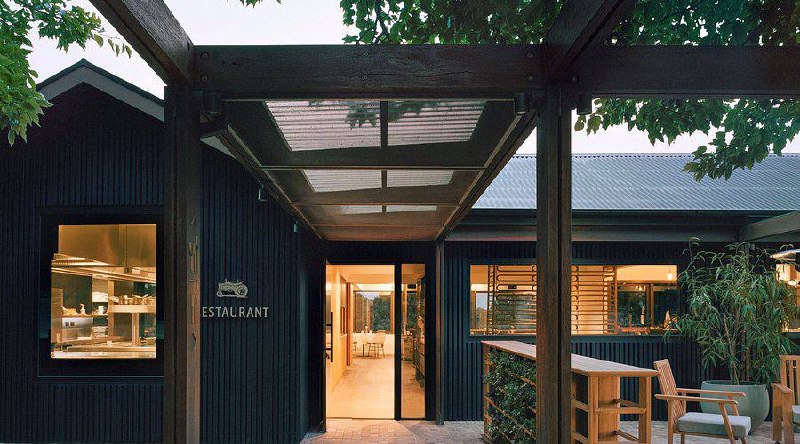
The splurge: Jackalope on the Willow Creek vineyard is the Peninsula’s design hotel, angular black architecture, a serious restaurant, and a wine-region stay that feels nothing like a B&B. Lindenderry at Red Hill is the country-house version: fireplaces, gardens, understated rooms, and a location in the middle of the hinterland that makes everything else a short drive.
The mid-range: The heritage pubs at Sorrento and Flinders both have rooms above the bar that are better than they sound. Hotel Sorrento puts you in the centre of the village with a rooftop bar and the beach within walking distance. Flinders Hotel is quieter and cheaper.
The budget: Airbnb and holiday rentals are the honest answer at the lower end. Look in Dromana, Rosebud, or Rye for bay-side rentals that are significantly cheaper than the Red Hill or Sorrento options. You lose the atmosphere; you gain the ability to come back more often.
When to come
Autumn (March–May) is the best season for a first visit. The crowds thin after Easter, the weather is warm enough for outdoor dining and walking, the bay water holds its summer temperature into April, and the vineyards are in their most photogenic phase, green turning to gold. Booking pressure drops significantly after mid-March.
Winter (June–August) is the insider season. Colder, wetter, and dramatically quieter. The restaurants are better in winter (the kitchens lean into braised and roasted food), the hot springs are better in the rain, and you can book tables that were locked out three months ago. Not the postcard version, but often the better version.
Spring (September–November) is the wildcard. The Peninsula’s spring can be spectacular, wildflowers on the coastal walks, warm days punctuated by squalls, vineyard canopy just starting to fill. Or it can be four weekends of horizontal rain. Check the forecast and commit late.
Summer (December–February) is the most popular and the least pleasant for a first visit. Traffic on the freeway, packed beaches, booked-out restaurants, and accommodation prices that double. If you must come in summer, come midweek.
The one-day plan vs the two-day plan
If you have one day, read our four-hour guide and build around a single axis: Melbourne → Red Hill for lunch → one cellar door → Mornington for coffee → home. Do not try to reach Sorrento.
If you have two days, spend day one on the hinterland (cellar doors, lunch, producers) and day two on the coast (Sorrento village, back beach walk, Point Nepean if you are ambitious). Sleep somewhere on the ridge. This is the format that covers the most ground without turning the trip into a drive.
If you have three days, add the quiet Peninsula on day three: Flinders for sourdough and the pier, Balnarring Beach for a swim, and the drive home through Somers and the back roads. This is the version that makes people fall in love with the region rather than just enjoy it.
The thing worth knowing
The Peninsula’s defining quality is its scale. Everything is close to everything else. The drive from one cellar door to a serious restaurant is twenty minutes. A vineyard to an ocean beach is half an hour. A sculpture park to a village fish-and-chip shop is a single ridgeline.
That scale means the Peninsula forgives. If the restaurant you wanted is booked, another good one is ten minutes away. If the beach is too crowded, the next cove is a five-minute drive. If the weather turns, the rainy-day version of the trip is as good as the sunny one.
A first visit that picks one section, stays there, eats one great lunch, sees one great view, and comes home knowing what to do next time will land better than one that tries to cover the whole map.
There will be a next time.
Prices may change. Confirm current rates directly with the venue or operator before booking.
Something wrong on this page, or is this your business? Tell us what to fix and you get a case reference back. corrections@peninsulainsider.com.au reaches the same desk.
Questions readers actually ask
FAQ
How far is the Mornington Peninsula from Melbourne?
The top of the Peninsula (Mornington, Mount Martha) is about an hour from the Melbourne CBD. The tip (Sorrento, Portsea, Point Nepean) is closer to 90 minutes to two hours depending on traffic. Saturday mornings are the slowest - leave by 8am if you want to avoid the worst of it.
What is the Mornington Peninsula best known for?
Wine and food (one of Victoria's strongest cool-climate regions), hot springs (Peninsula Hot Springs and Alba Thermal Springs), coastal scenery, and boutique accommodation. The Red Hill and Main Ridge hinterland is the culinary and wine heart; Sorrento and Portsea are the coastal destinations.
What is the best season to visit the Mornington Peninsula for the first time?
Autumn (March–May) is the best for a first visit - warm enough for outdoor activities, vineyard colour in the landscape, and significantly lower crowds after mid-March. Winter is excellent for value and quiet restaurants. Summer (December–February) is the busiest and the hardest to navigate for first-timers.