Most people who talk about the Peninsula mean Red Hill and Sorrento.
For obvious reasons: the wineries are up the ridge, the restaurants follow the wineries, and the tip of the Peninsula has the ferry, the beaches, and the main street full of shops. If you ask a Melbourne weekend visitor where they are going, the answer is almost always one of those two. And that is a reasonable answer for a certain kind of weekend.
But there is another version of the Peninsula. It runs south of both of those places, keeps closer to the ocean side than the bay, and treats the weekend as a rhythm rather than a checklist. That version runs through Flinders, and it is worth the drive on its own terms.
What Flinders actually is
Flinders is a village, with a bakery, a pub, a handful of shops, a pier, and a cliff walk that takes you past one of the prettiest stretches of ocean coast in Victoria. The population sits around 700. Everyone who lives here knows each other. The weekend visitors get absorbed into the rhythm rather than dominating it.
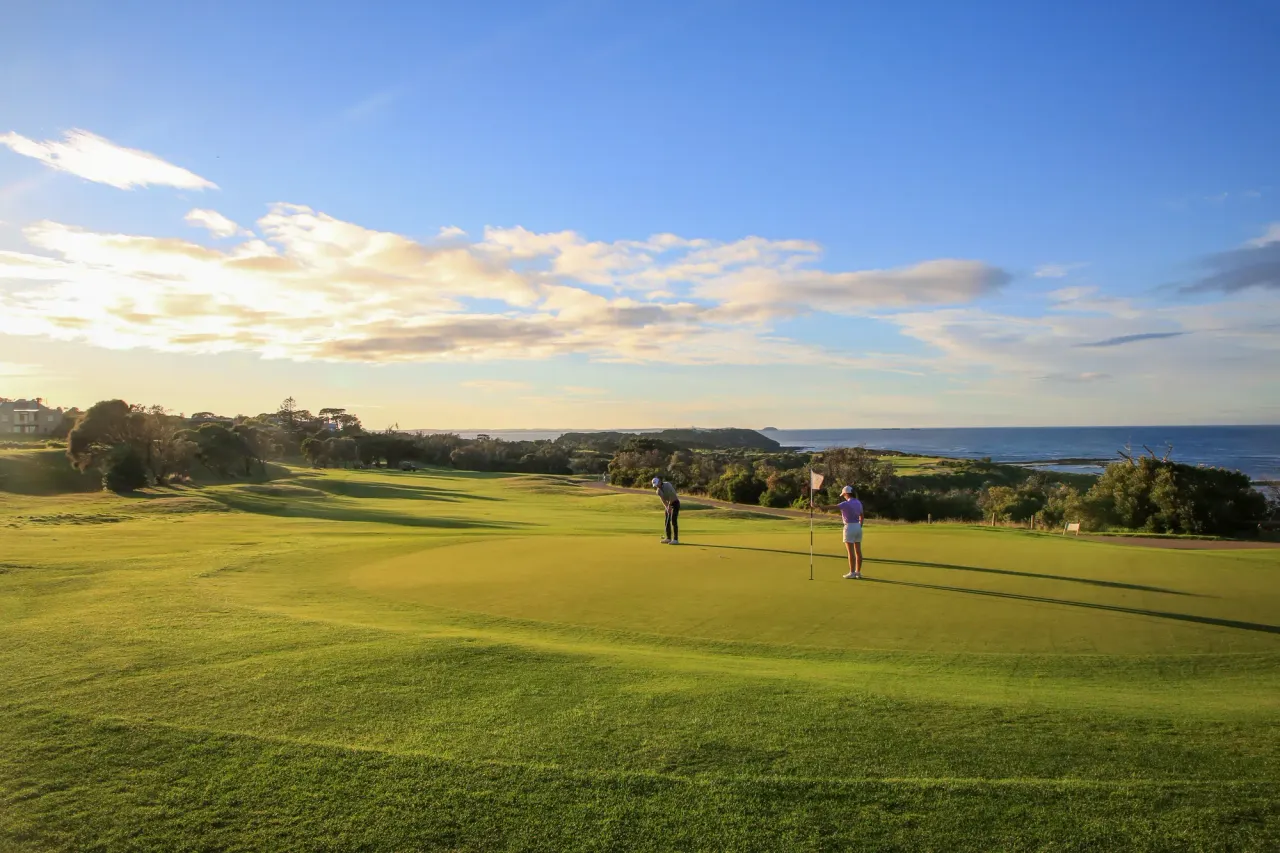
Geographically it sits on the southern tip of the Peninsula, facing Bass Strait rather than Port Phillip. That matters more than it sounds. Everything is two degrees cooler, the wind has more weight, and the light is harder and cleaner than the bay-side light most visitors remember. The back beaches at Sorrento are technically further west, but Flinders feels more like the actual ocean, because it is.
The three-move Flinders day
A proper Flinders weekend does three things. Nothing more.
One: start at Flinders Sourdough. The bakery opens at 7am and the good loaves are gone by lunchtime. Order a morning bun, a long black, and one of whatever pastry is in season. Eat it on the low wall outside. Watch the village wake up. This is the move that orients the whole day around daylight rather than dinner reservations.
Two: walk the cliff track toward West Head. The track runs from the end of Cook Street along the coast, past Flinders Pier, and eventually out toward West Head with views straight across to Phillip Island. A long morning walk on the southern Peninsula, almost always empty. Allow ninety minutes return. Bring a jacket even in summer; the wind off Bass Strait respects no forecast.
Three: lunch at Georgie Bass. The cafe is open until 2:30pm on weekdays and 3pm on weekends, which means you have time to do the walk properly before arriving for food. The all-day menu runs on regional produce from the owners’ own farm: seasonal egg dishes, proper sourdough, vegetable preparations that understand what they are. The outdoor courtyard works in most weather. Coffee is Commonfolk. It is a cafe rather than a restaurant, and the difference matters less than you would expect when the produce is this considered.
That is the whole day. If you finish by 3pm, drive fifteen minutes inland for a cellar door tasting or fifteen minutes west for Cape Schanck and the boardwalk. If you don’t, stay in the village and walk the pier again at dusk.
The stay question
Flinders Hotel is the default, and it is a better default than its reputation suggests. The rooms are clean, contemporary, and well-sized. The location puts you inside the village rather than on the edge of it. The attached pub gives the whole place a useful looseness: you can come back from a walk, sit at the bar for an hour, and not feel like you are performing a hotel stay.
For a step up, the handful of short-term villa rentals in the farmland around the village are often better than they look on listing sites. Search for properties within a five-minute drive of Cook Street and you will mostly find cottages with paddock views, wood fires, and genuine kitchens. In Flinders, self-catering is not a compromise; it is often the point.
Why this version works
The real argument for Flinders is that it gives the weekend one of the things the busier parts of the Peninsula struggle to offer: space between events. A Red Hill weekend is structured around bookings (lunch at 12.30, tasting at 3, dinner at 7) and that structure is part of what makes it work. A Flinders weekend runs on the opposite logic. You have one booking, maybe two, and everything else is weather and coastline and walking.
It suits anyone recovering from a hard week, anyone who wants to stop making decisions for forty-eight hours, anyone whose idea of a good trip is not a sequence of expensive tables. Flinders is the version of the Peninsula weekend that is the most restorative.
The trade is simple: you give up some of the fine dining, some of the cellar-door variety, and some of the social theatre of Sorrento. In exchange you get a village, a coastline, and a tempo you cannot buy from a hotel brand.
Something wrong on this page, or is this your business? Tell us what to fix and you get a case reference back. corrections@peninsulainsider.com.au reaches the same desk.
Questions readers actually ask
FAQ
What is there to do in Flinders on the Mornington Peninsula?
Walk the cliff track from Cook Street toward West Head (90 min return, empty, Bass Strait views). Breakfast at Flinders Sourdough. Lunch at Georgie Bass (all-day cafe, Cook Street, open until 2:30–3pm). The pier at dusk. Two things and a walk is the right day - Flinders rewards slowness and punishes over-scheduling.
Is Flinders worth visiting on the Mornington Peninsula?
Yes - especially for second or third-time Peninsula visitors who have already done Red Hill and Sorrento. Quieter, cooler, more local-feeling, and the ocean coast is more dramatic than the bay side. Not the right first destination, but an excellent choice once you know the Peninsula.
Where should I stay in Flinders on the Mornington Peninsula?
Flinders Hotel for a pub stay in the village itself - rooms are well-renovated and the location puts you inside walking distance of everything. For more privacy, farmland cottages within a five-minute drive of Cook Street are often the better stay - wood fires, paddock views, proper kitchens.