
Two-night plan
How to Plan a Mornington Peninsula Corporate Retreat
The best Peninsula retreats balance work, hospitality, and recovery. This is how to structure an offsite that actually feels worth leaving Melbourne for.
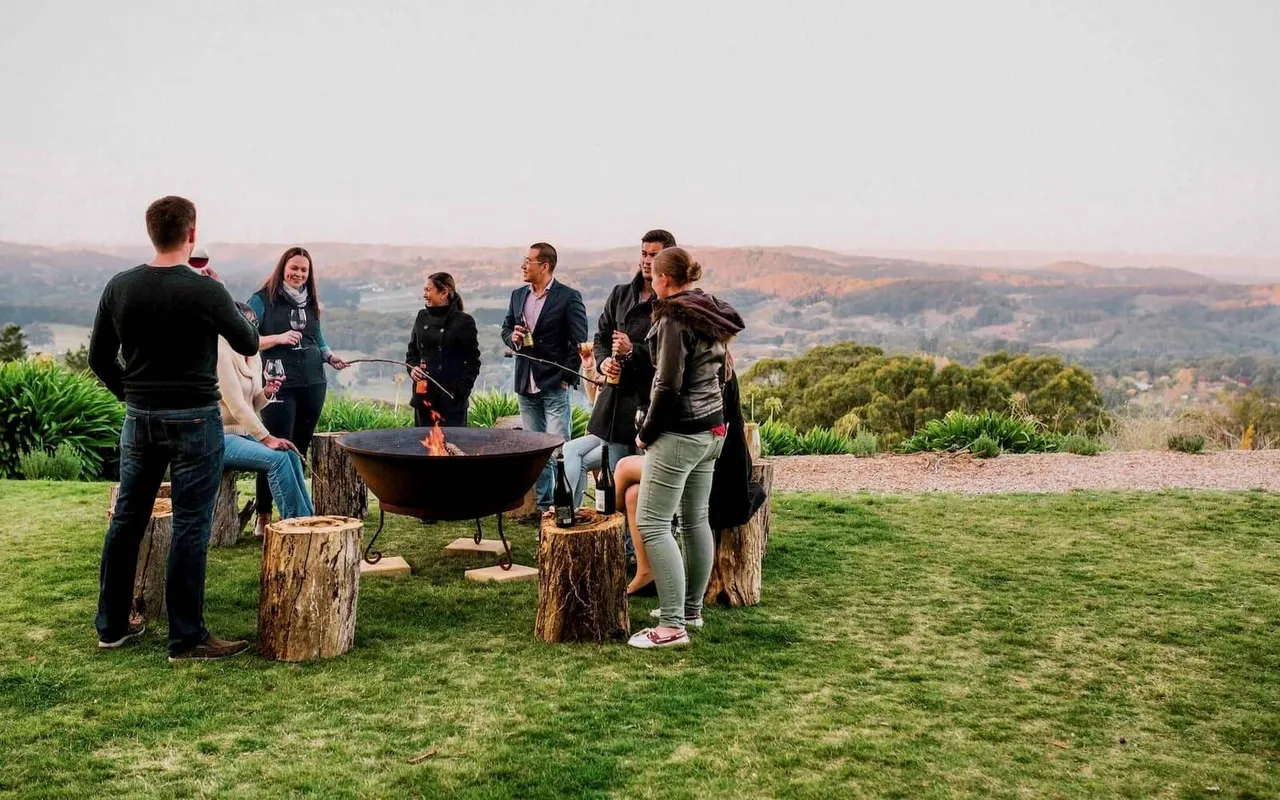
A Peninsula corporate retreat only works if it gives people something better than staying in Melbourne and sitting in a hotel meeting room. The location has to change the quality of the conversations, the atmosphere, and the rhythm of the day.
That is the real standard.
The best Peninsula retreats feel clear, well-paced, and slightly generous. They combine serious work with enough hospitality and environmental change that the offsite actually earns its existence.
Start with the format, not the venue
Before choosing a venue, decide what kind of retreat this actually is. Teams sometimes pick a venue and only later realise that the format and the venue were never well matched in the first place.
An executive retreat usually wants privacy, calm, strong dinner options, and a setting that encourages slower, more strategic conversation. The best version is small, high-trust, and slightly removed from the everyday rhythm of the city.
A team offsite is different. It needs more flexibility, more movement, and better tolerance for mixed working styles. Groups in this category usually need the venue to support both concentrated sessions and looser social time without either one feeling bolted on.
A client or partner gathering leans more heavily on hospitality. Here the Peninsula is strongest when the food, wine, and overall mood do a lot of the work. These events need polish and strong logistics, but they also need to feel worth the drive.
The Peninsula zones that work best
The Peninsula is not one uniform events market. Different localities create completely different offsite moods.
Red Hill and Main Ridge
This is the strongest zone for winery-led offsites, premium strategy days, and retreats where lunch and dinner quality matter as much as the sessions themselves. The hinterland atmosphere helps here. It slows the day down in a useful way.
Sorrento and Portsea
This end of the Peninsula is better when the event needs polished coastal energy and a more recognisable destination feel. It works well for client-facing gatherings, smaller executive groups, and any offsite where the social layer matters as much as the work.
Cape Schanck
Cape Schanck is strongest when you want a more contained retreat ecosystem. Stay, meeting space, recovery, and golf or spa logic can all sit in closer orbit here, which makes the programme feel cleaner.
Mornington
Mornington is the easiest answer for a daytrip-compatible offsite. It is less demanding logistically, closer to Melbourne, and better suited to teams that want an offsite without committing to a full retreat weekend.
Build the programme properly
A retreat should have shape. If it feels like a hotel meeting room with a nicer lunch, it has missed the point.
The strongest one-night Peninsula retreat usually follows a clear rhythm: arrival and coffee, a focused first working block, a proper lunch, a second session or facilitated conversation, then a reset before dinner. If the group stays overnight, the next morning should be low-friction and purposeful rather than overloaded.
The Peninsula works best when the day feels deliberate without becoming over-programmed.
Add-ons that deepen the day
The best Peninsula add-ons deepen the tone of the event rather than filling time.
A vineyard lunch between working sessions can lift the day if the group is small and the pace is right. A short coastal walk can change the quality of conversation without making people perform. Spa or hot springs recovery suits slower leadership retreats. Golf works when the event is genuinely relationship-led.
The test is simple: if the add-on could have happened anywhere, it is weaker. If it makes the Peninsula feel like the reason for the event, it is stronger.
What works less well
Formats trying to do too many things at once. Venues chosen only for scenery when the working practicality is weak. Guest movement that is scattered and drive-heavy. Team-building concepts that feel imported rather than native to the place.
The Peninsula reads as a premium offsite destination when it feels selective and well judged.
In short
Use the Peninsula for what it is good at: atmosphere, hospitality, strong dining, reset energy, and programmes that are thoughtfully shaped rather than overbuilt.
Plan the structure first and let the Peninsula elevate it. A retreat here can feel calmer and more memorable than the usual city-hotel version.
Questions readers actually ask
A few practical answers.
- What makes the Mornington Peninsula good for a corporate retreat?
- Atmosphere, hospitality, strong dining, and setting variety. The Peninsula offers enough separation from Melbourne to shift the rhythm of a working day without a long travel commitment. Red Hill and Sorrento each offer distinct retreat moods suited to different event formats.
- Which Peninsula zone is best for a corporate offsite?
- Red Hill and Main Ridge for strategy-heavy retreats and winery-led programmes; Sorrento for client-facing events and social gatherings; Cape Schanck for resort-integrated packages combining stay, spa, and golf.
- How far in advance should I book a Mornington Peninsula corporate retreat?
- Venue and accommodation: two to six months for peak-season weekends (December–February, Easter). Hatted restaurant lunches and Peninsula Hot Springs sessions: three to four weeks minimum.